November 7, 2026
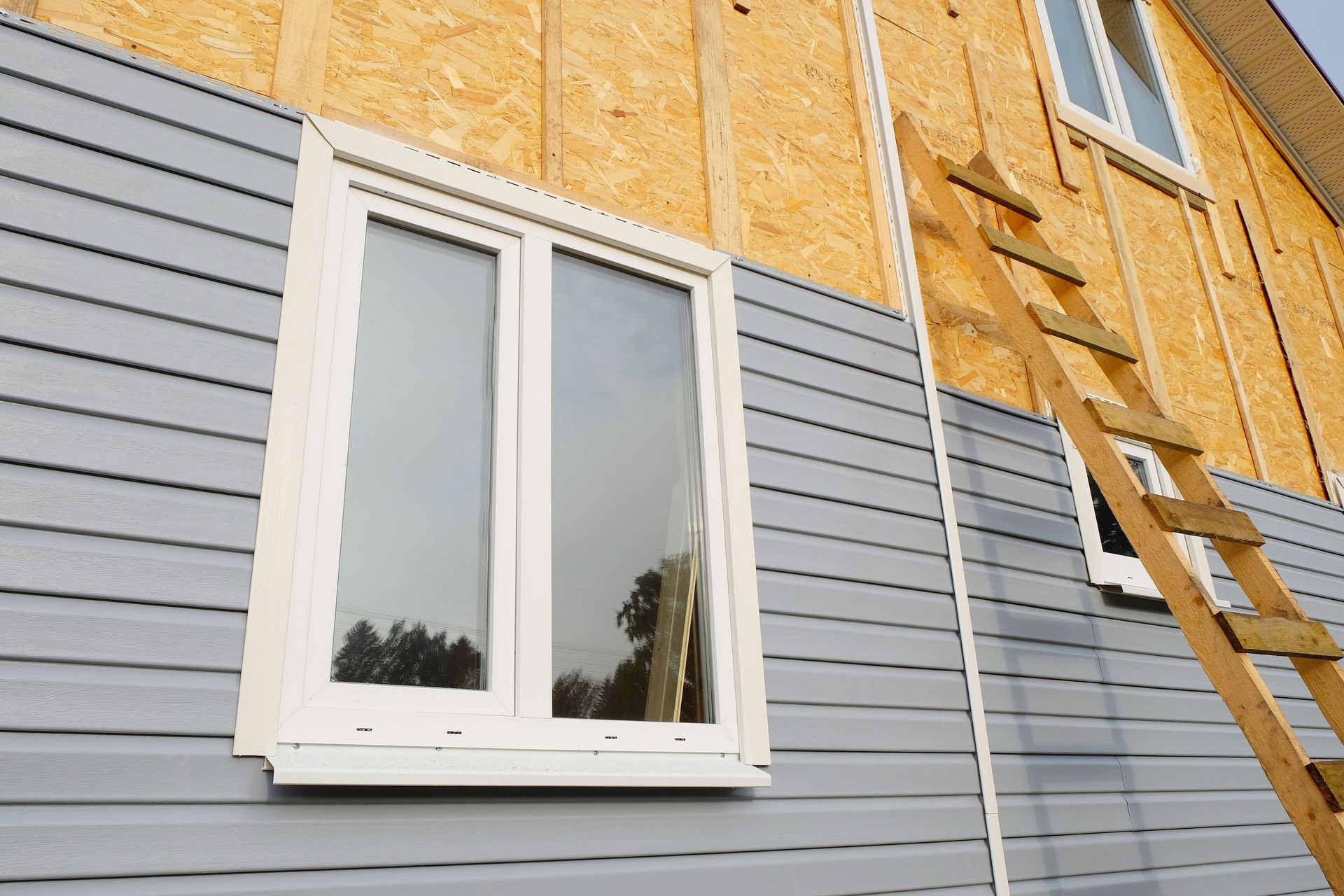
Hiring a siding contractor is a significant step in home improvement that involves several considerations to ensure quality and reliability. Asking the right questions is crucial to ensuring that you hire a competent professional who meets your needs. With the right preparation and due diligence, you can avoid future headaches and ensure a smooth, successful project. Moreover, siding not only enhances curb appeal but also plays a critical role in protecting your home from the elements. It's vital to have a qualified siding contractor handle the installation or replacement, which begins by asking the right questions during the vetting process.
Assessing Contractor Experience and Credentials
Verifying Licensing and Insurance Coverage
Ensuring that a siding contractor is properly licensed and insured is crucial for safeguarding yourself from potential liabilities. A licensed siding contractor has demonstrated a certain level of knowledge and expertise, which assures you of their capability to execute the job correctly. Insurance, on the other hand, protects you from being financially responsible for accidents or damages that may occur during the project. Ask for proof of insurance and verify it with the issuing agency to ensure its validity. Furthermore, confirming a siding contractor’s licensing entails checking with the relevant local authorities or state licensing boards.
Evaluating Past Work and Industry Experience
Thoroughly assessing a siding contractor’s past work provides valuable insights into their level of expertise and quality of craftsmanship. Request a portfolio or gallery of previous projects, and consider visiting some completed works to evaluate the quality firsthand. This is particularly important for exterior projects, where a siding contractor’s attention to detail and skill in various installation methods are paramount. The number of years the siding contractor has been in business can also be a good indicator of reliability and professionalism. Experienced professionals are often more capable of navigating unexpected challenges that may arise during the course of a project.
Requesting Client References and Online Reviews
Asking for references and researching online reviews are effective measures to assess a siding contractor’s reputation and reliability. Previous clients can provide firsthand accounts of their experiences, offering insights into the siding contractor’s professionalism, punctuality, and quality of work. Positive reviews and high ratings on trusted platforms enhance confidence in a siding contractor’s capability. Personal testimonials often go beyond the surface, revealing how the siding contractor handles unforeseen issues or project obstacles.
Understanding Project Details and Expectations
Clarifying Overall Project Scope and Requirements
Establishing a clear understanding of the project scope and requirements is imperative to ensure all parties are aligned in expectations and objectives. Discuss specific details with your chosen siding contractor, such as the area to be covered, the type of siding materials to be used, and the overall design vision to get an accurate estimate. Comprehensive discussions upfront minimize the risk of scope creep and unwelcome surprises during the project. According to Kenna Real Estate Group, a 2,000-square-foot home may have anywhere from 1,600 to 2,400 square feet of siding surface, highlighting the need for precise measurements and clarity on the exact extent of work. Clear communication at this stage allows for informed decision-making and smooth project execution.
Discussing Realistic Timelines and Deadlines
A realistic project timeline and adherence to deadlines are critical components of a successful installation. Discuss the estimated start and completion dates with the siding contractor to ensure they align with your expectations and availability. Delays can have a cascading impact, especially if the weather is unpredictable, which further highlights the importance of agreeing on a feasible timeline. Establishing a timeline allows for coordinated scheduling, particularly if your project dovetails with other home improvement tasks. Understanding the construction schedule helps manage expectations and prepares you for major phases like material delivery and installation.
Reviewing Formal Contract Terms and Conditions
Thoroughly reviewing contract terms and conditions is essential before committing to any home improvement project. A well-drafted contract provided by your siding contractor should outline project specifics, including materials, costs, warranties, and any contingencies. Pay special attention to clauses regarding payment schedules, termination conditions, and dispute resolution mechanisms. Verifying these details helps protect you from ambiguities that could result in misunderstandings or disputes in the future. Clarification of terms ensures both you and the siding contractor have a mutual understanding of responsibilities and project obligations.
Evaluating Material Options and Quality
Exploring Various Material Types and Options
Exploring different material types is vital for choosing the right option that meets your aesthetic, budgetary, and functional goals. Common siding materials include vinyl, fiber cement, wood, aluminum, and stone, each offering distinct advantages and drawbacks. Vinyl, for instance, is cost-effective and low-maintenance, while fiber cement offers superior durability and a high-end finish. Consultation with your siding contractor can provide insights into material characteristics that align with your specific needs and local environmental conditions. Understanding material options ensures an informed decision that satisfies both aesthetic desires and practical considerations.
Assessing Product Durability and Warranties
Assessing the durability of siding materials in conjunction with their warranties is crucial for long-term satisfaction and peace of mind. Durable materials minimize maintenance requirements and ensure structural protection for the home’s exterior. When evaluating options, consider both manufacturer warranties and warranties offered by the siding contractor, which should cover workmanship defects. A strong warranty indicates confidence in the material's longevity and the installation quality, providing reassurance of its performance. Reviewing these factors helps prevent unwanted expenses from repairs or replacements in future years.
Comparing Material and Labor Pricing
Comparing the pricing of various siding materials allows for cost-effective decision-making without compromising on quality. Price variations are largely influenced by material types, quality, and additional features such as insulation. Request detailed breakdowns from suppliers and the siding contractor to understand how each option fits within your budget constraints. Comprehensive analysis should factor in both the upfront costs and potential long-term savings due to energy efficiency or maintenance reductions. Adequate research and comparison ensure that selected materials align with your financial plans and priorities.
Evaluating Contractor Reliability and Communication
Assessing Communication Style and Responsiveness
Evaluating a siding contractor’s communication style and responsiveness is a critical factor in ensuring a smooth renovation experience. Effective communication promotes transparency, builds trust, and facilitates consistent progress reviews and problem-sharing between parties. Evaluate the contractor's approachability and accessibility through initial consultations and responsiveness to questions. Favor a siding contractor who establishes clear communication channels and provides prompt, useful responses, as these habits often persist throughout the project. Strong communication foundations enhance collaboration and reduce the likelihood of misunderstandings undermining project success.
Understanding Comprehensive Project Management Processes
Understanding how a professional manages the project from start to finish is key to evaluating their organizational capabilities and reliability. Efficient project management encompasses detailed scheduling, resource allocation, and contingency planning to ensure timely delivery. Inquire with the siding contractor about their oversight mechanisms, supervision policies, and feedback loops to gauge their commitment to quality management. A professional who embraces robust project management standards typically demonstrates respect for client expectations and timeframes. Thorough comprehension of management processes builds confidence and aligns execution procedures with project goals.
Hiring a siding contractor involves diligent research and asking pointed questions to ensure successful collaboration and project completion. By addressing these key areas thoroughly, homeowners can confidently choose a professional that meets their standards and needs for a satisfying and high-quality installation. Ultimately, prioritizing preparation and due diligence ensures an effective transformation of your home’s appearance and structural protection, achieving aesthetic enhancement and overall satisfaction for years to come. Taking the time to evaluate every credential and procedure guarantees that your siding contractor delivers exceptional value and lasting peace of mind. Call Hess Roofing today to learn more.