November 16, 2026
An asphalt shingle roof remains one of the most common sightlines across North American residential neighborhoods. Property owners frequently select this material because of its classic visual appeal, solid weather protection, and overall reliability. However, every structural component has an operational lifespan, and understanding the longevity of residential roofing materials is essential for maintaining sound property management and long-term home health.
Homeowners frequently ask how many years their covering will survive before requiring replacement. Under optimal conditions, a standard asphalt installation can endure anywhere from 15 to 30 years, depending heavily on shingle composition, external climate factors, and ongoing care. Achieving that maximum expected lifespan requires an awareness of the physical elements acting on the surface year after year.
This guide examines the core factors that dictate shingle longevity, outlines common indicators of system decline, and explores the practical measures that help maximize the life of an existing residential roof.
1. Understanding the Influence of Shingle Quality
Selecting Three-Tab Shingles
The basic three-tab shingle represents the entry-level standard for asphalt roofing installations. These flat, single-layer units are engineered with three distinct cutouts along the bottom edge, creating a uniform, patterned appearance across the deck. Due to their lightweight build, three-tab options are more susceptible to wind uplift and impact. In moderate climates with steady maintenance, these traditional units typically last between 15 and 20 years.
Upgrading to Architectural Shingles
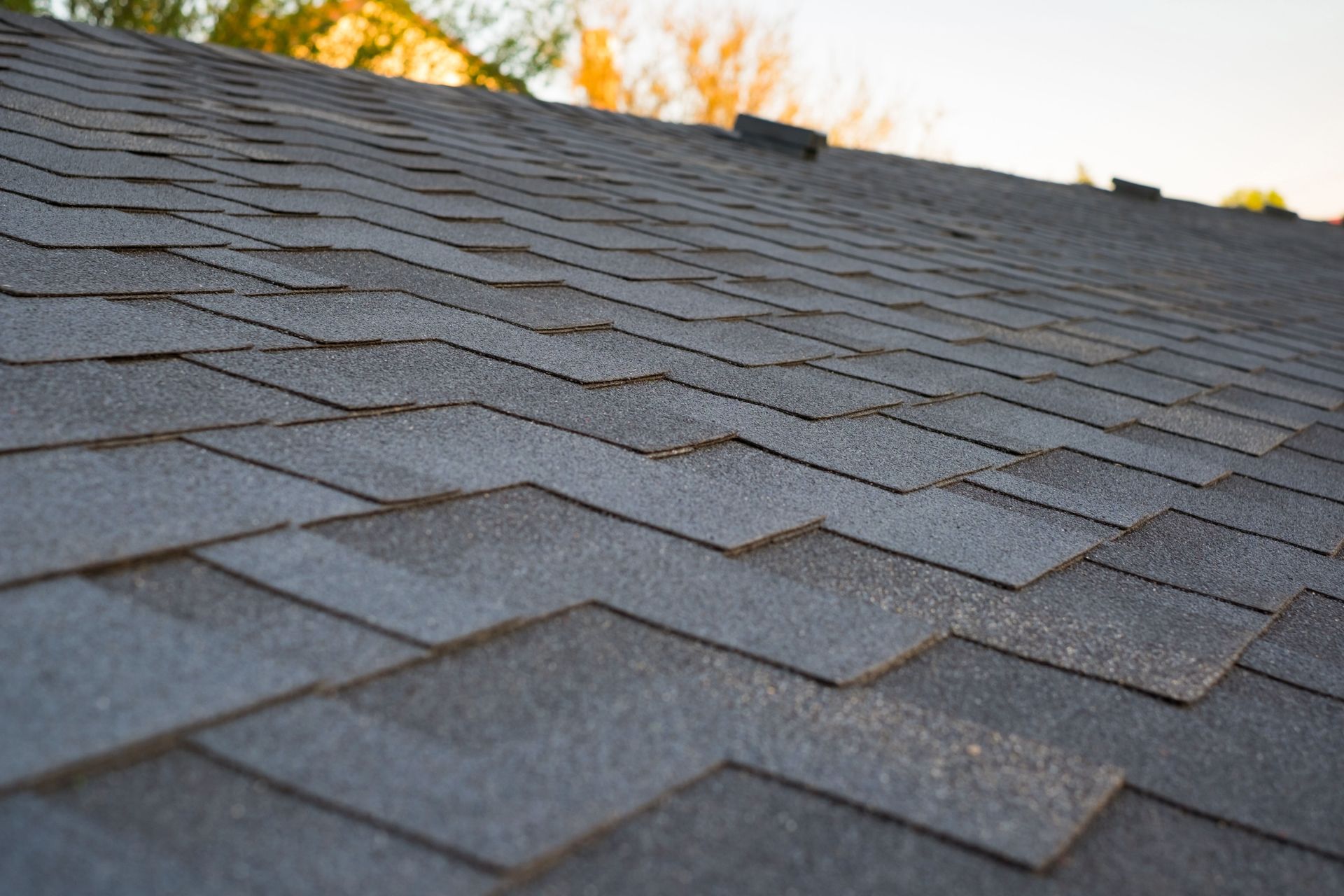
Architectural shingles, also referred to as dimensional or laminate shingles, feature two or more layers of asphalt fused together to produce a thicker, three-dimensional profile. This added density enhances visual depth and provides superior defense against outdoor weather elements. Because of their durable construction, dimensional options resist high winds and heavy precipitation far more effectively, often sustaining an operational life of 25 to 30 years or more.
2. Analyzing the Impact of Environmental Elements
Enduring Sunlight and Temperature Extremes
Consistent ultraviolet radiation breaks down asphalt compounds over time, drying out the flexible oils that give shingles their water-shedding properties. In regions subject to blistering summer afternoons followed by cold evenings, roofs undergo thermal shock, expanding during peak daylight hours and contracting at night. This ongoing dimensional shift eventually leads to hairline fractures, surface curling, and premature granule detachment.
Resisting Wind, Precipitation, and Hail
Severe weather patterns can accelerate wear and tear at an alarming rate. Strong winds often lift shingle tabs, breaking the manufacturer sealant strips that hold them flush against the decking. Hail impacts bruise the underlying fiberglass mat and displace the protective surface granules, leaving the asphalt exposed to rapid sun degradation. When severe storms pass through an area, scheduling professional roof repairs promptly prevents isolated shingle distress from turning into widespread moisture intrusion.
3. Evaluating the Value of Attic Ventilation
Controlling Trapped Heat in the Summer
A residential roof does not merely shield a house from external elements; it acts as an integrated system in conjunction with the interior attic environment. Inadequate intake and exhaust ventilation allows excessive thermal energy to collect directly beneath the roof decking. When temperatures inside an attic climb beyond safe thresholds, the decking bakes the shingles from below, effectively accelerating the aging cycle and causing the asphalt to blister and lose structural integrity years ahead of schedule.
Mitigating Condensation in the Winter
During cooler periods, internal humidity generated from cooking, laundry, and showers drifts upward into poorly ventilated attic spaces. When warm, damp indoor air encounters cold roof sheathing, condensation forms along rafters and nail penetrations. This lingering moisture creates conditions ripe for structural rot, decking deformation, and rust on shingle fasteners. Investing in proper airflow design alongside timely roof repairs preserves both the internal wooden framework and the outer asphalt layers.
4. Monitoring the Effects of Regular Maintenance
Clearing Debris and Tree Canopy
Overhanging tree branches deposit leaves, pine needles, and twigs directly into roof valleys and behind chimneys. This accumulating organic matter traps moisture, functioning like a damp sponge directly against the protective surface. Over months, damp debris encourages mold and moss growth, which slowly works under shingle edges and loosens their seal. Trimming nearby limbs and routinely removing debris minimizes the frequency of roof repairs and safeguards the surface from falling limbs during seasonal squalls.
Inspecting Flashing and Penetrations
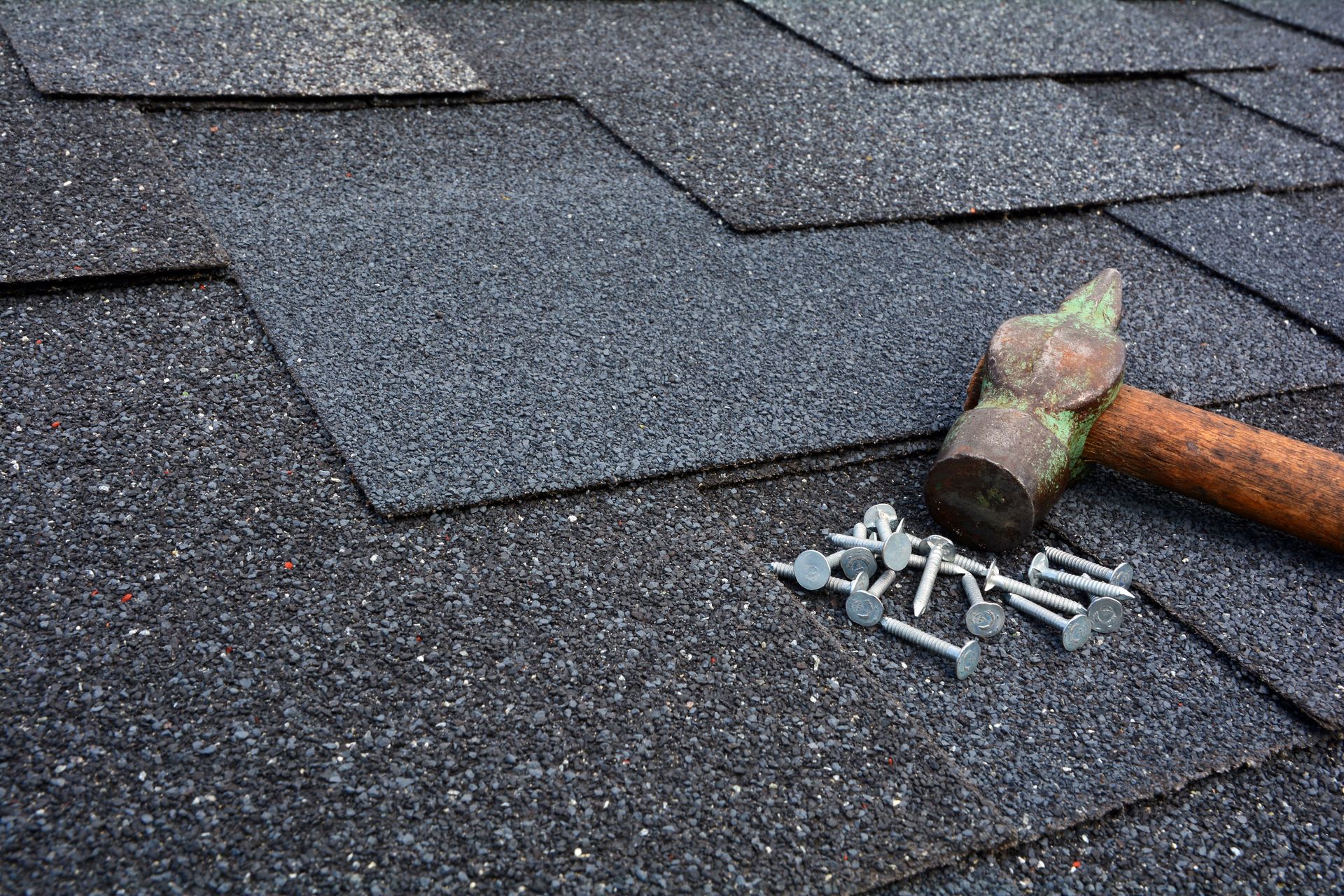
The vast majority of moisture issues occur not in the open field of shingles, but around roof penetrations such as vent pipes, skylights, chimneys, and dormer intersections. Metal flashing protects these vulnerable transition zones, yet flashing sealant naturally degrades over time. Metal pieces can also pull away from brickwork as structures settle. When flashing loosens, addressing the problem through early roof repairs preserves the surrounding asphalt shingles from hidden moisture decay.
5. Identifying the Need for Complete Roof Replacement
Recognizing Visible Wear Patterns
Every roof eventually reaches a stage where simple fixes no longer provide sufficient protection. Observable indicators of advanced aging include widespread curling at the edges, clawing in the middle of shingle tabs, and significant granule collection inside gutter troughs. When the mineral granules wash away, the exposed asphalt core deteriorates rapidly, losing its ability to repel rain and prevent leak development.
Weighing Replacement Criteria Against Ongoing Service
Homeowners often debate whether to patch localized problems or invest in a brand-new installation. According to HomeService USA, a property owner should opt for a full roof installation when the current covering has reached 20 years of service, structural harm spans numerous areas of the surface, multiple interior leaks have occurred within a two-year timeframe, or professional assessments indicate extensive structural restoration needs.
Relying exclusively on piecemeal roof repairs when an assembly has already reached the final quarter of its functional lifespan often yields diminishing returns. If individual shingles become so brittle that walking across them causes them to crack, attempting spot fixes may cause additional damage to surrounding materials. At that juncture, investing in a full system update provides superior structural reliability, improved energy performance, and complete peace of mind.
6. Prolonging the Lifespan of Your Asphalt Shingles
Scheduling Professional Roof Inspections
Routine visual evaluations by qualified specialists provide an accurate assessment of an installation's health. Professional inspectors identify subtle distress markers that are impossible to spot from ground level, such as unseated shingles, loose fasteners, minor hail depressions, and damaged boot seals around plumbing vents. Catching these concerns early allows for targeted roof repairs before hidden rot can spread into the structural plywood substrate below.
Managing Gutter Drainage Effectively
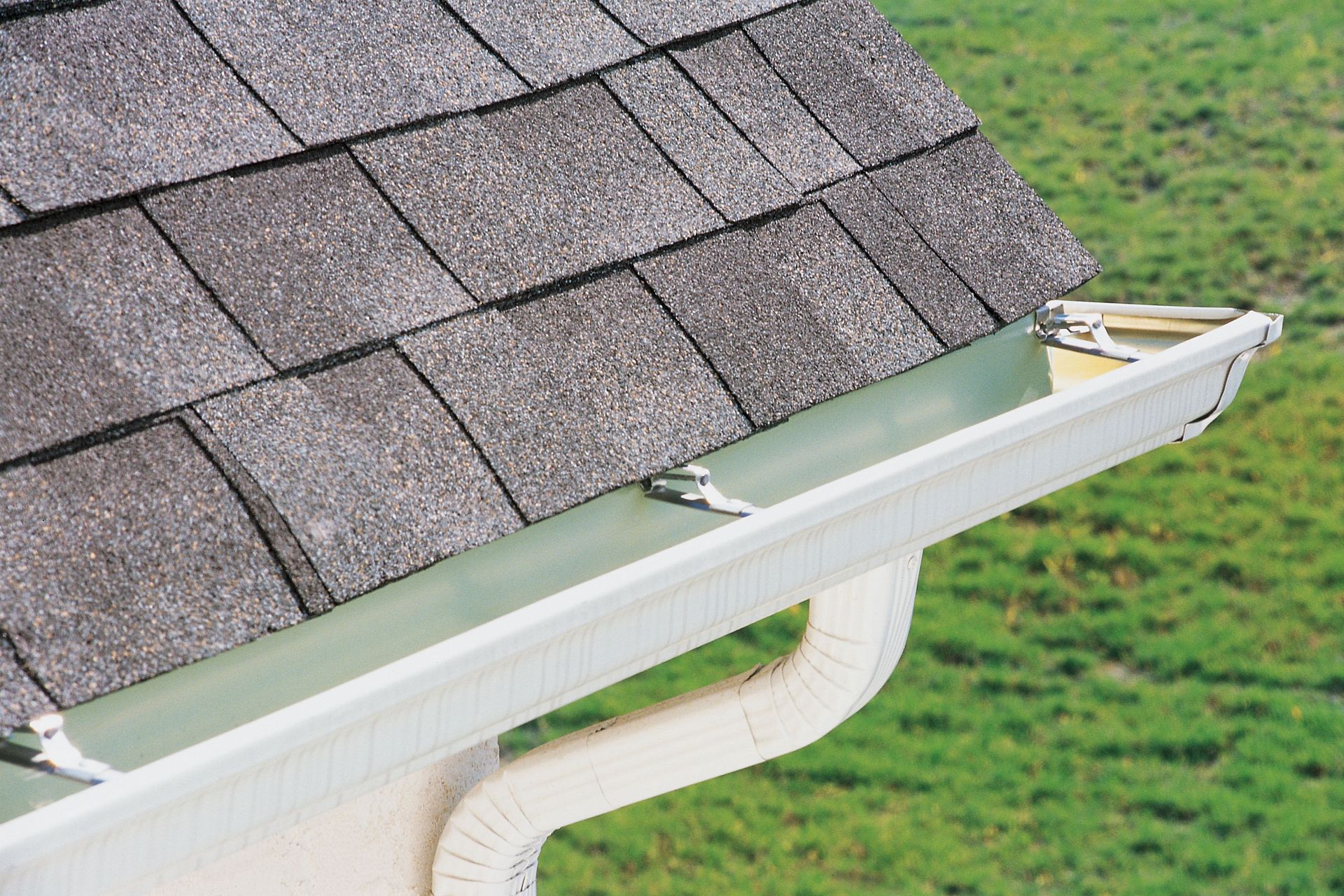
Gutters and downspouts are designed to channel thousands of gallons of rainwater safely away from the eaves and foundation. When gutters become clogged with fallen foliage and displaced asphalt granules, standing water backs up beneath the lower starter shingles and fascia boards. This backwater softens the roof edge and rots underlying wood, triggering avoidable roof repairs that can easily be averted through seasonal gutter cleaning and proper water management.
7. Sustaining Long-Term Structural Protection
Balancing Environmental and Physical Safeguards
Balancing these maintenance habits ensures that every component of the building envelope works in harmony to protect the property. While external weather, regional climate, and installation quality establish baseline expectations, proactive homeowner maintenance plays an equally critical role in extending longevity. By maintaining balanced attic ventilation, managing surrounding vegetation, keeping roof surfaces clear of debris, and addressing early warning signs with minor
roof repairs, property owners can maximize the full design life of their roofing investment.
Partnering With Professional Roofing Contractors
An asphalt shingle roof remains an exceptional system for safeguarding residential properties against the natural elements, offering reliable performance across decades when properly supported. When regular maintenance routines or changing weather conditions signal that your roof requires professional evaluation or structural support, contacting an established local specialist like Hess Roofing ensures your residential investment stays thoroughly defended against every season.